
Travel as an Art Form: Nurturing Human Wellbeing Through Exploration
.Travel can be seen not just as movement, but as an art form that allows individuals to engage meaningfully with life and the world around them. By experiencing new cultures, environments, and perspectives, travellers expand their awareness, build adaptability, and encourage personal growth. Beyond exploration, travel supports overall wellbeing by reducing stress, restoring mental balance through connection with nature, and fostering empathy through human interaction. Ultimately, it enriches the mind and emotions while shaping character and lasting memories.
Nkechinye Ohikhueme
2/5/20261 min read
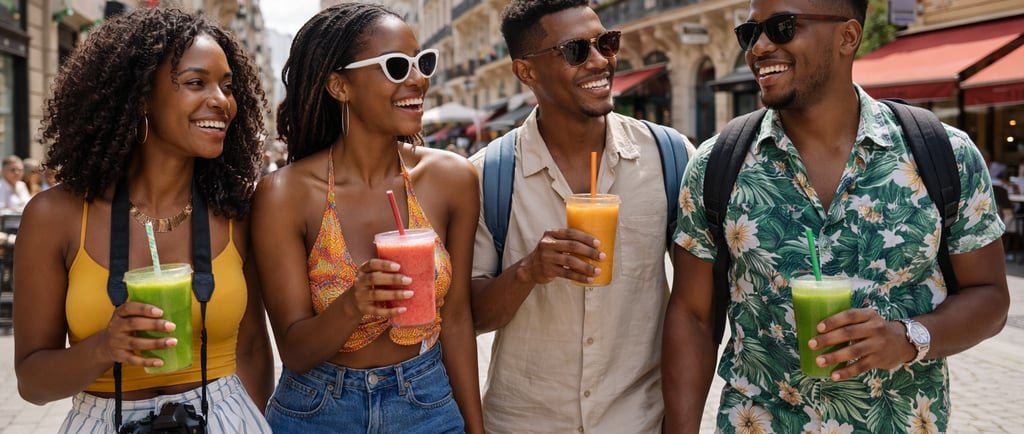
In a world that often measures movement in miles and schedules, travel is sometimes reduced to logistics — flights booked, hotels reserved, itineraries completed. Yet beyond these practicalities lies something far richer. Travelling can be seen as an art form: a deliberate, expressive engagement with life and the world around us. Like painting, music, or storytelling, it allows individuals to interpret experience, create meaning, and connect deeply with existence. More importantly, it offers tangible benefits for human wellbeing — mentally, emotionally, and even physically.
To view travel as art is to recognise intention and creativity in the act itself. Each journey becomes a composition of choices — where to go, what to observe, whom to engage with, and how to respond to unfamiliar environments. These choices shape perspective, much like brushstrokes shape a canvas. Exposure to different cultures, landscapes, and ways of life expands awareness and encourages adaptability. It stimulates curiosity, challenges routine thinking, and nurtures cognitive flexibility — qualities that are closely linked to lifelong learning and psychological resilience.
From a wellbeing standpoint, travel provides restorative value that extends beyond relaxation. Stepping away from familiar surroundings allows the mind to reset, reducing stress and mental fatigue. Encounters with nature — whether standing before a vast ocean or walking through a quiet forest — can calm the nervous system and enhance emotional balance. Such experiences remind individuals of their connection to the earth, grounding them in a sense of belonging that modern routines sometimes overshadow. This interaction with the natural world, a gift freely offered by the planet to its inhabitants, often fosters reflection, gratitude, and inner peace.
Emotionally, travel strengthens empathy and social awareness. Engaging with diverse communities encourages openness and understanding, allowing people to see beyond their own perspectives. These human connections enrich emotional intelligence, helping individuals navigate relationships and societal differences with compassion and respect. In this way, travel becomes an instrument for personal and collective harmony — an art that shapes character as much as it shapes memory.